Netherlands 2026: Introduction of the New Distance-Based Truck Toll System
From 2026, a new toll system will come into force in the Netherlands for all commercial vehicles over 3.5 tonnes, replacing the current Eurovignette system.
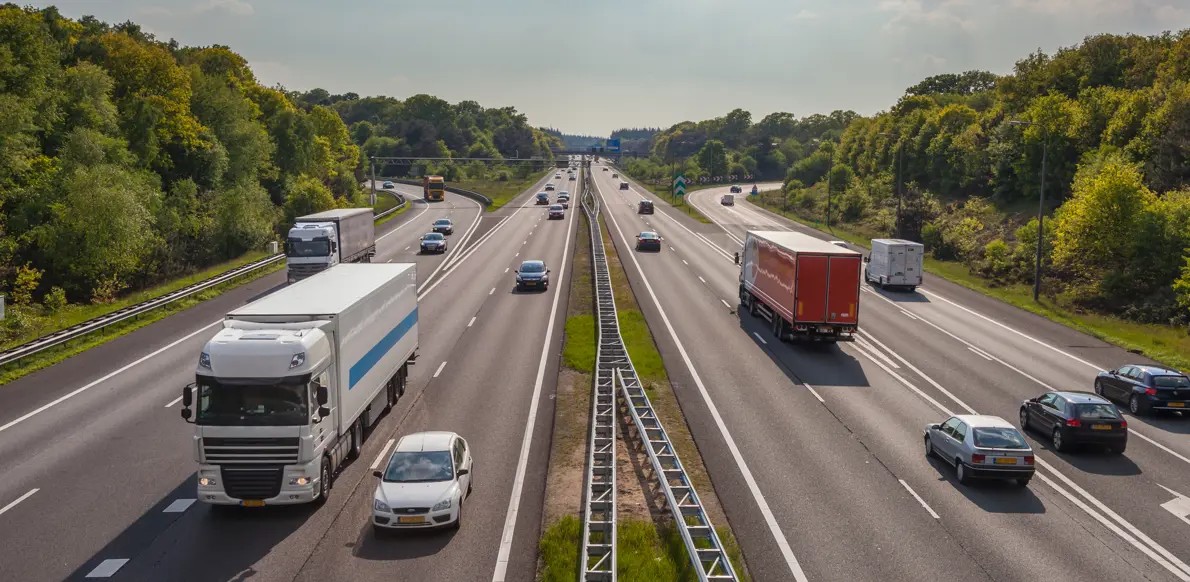
The transition to a model based on actual distance travelled represents a significant change for all transport companies that regularly transit or operate in the Netherlands.
How the New Toll System Will Work
The toll calculation will be based on three main components:
Distance travelled
Vehicle weight category
CO₂ emissions class
This approach aims to encourage fleet renewal towards more efficient solutions with less environmental impact, promoting the long-term spread of low- or zero-emission vehicles.
Tariffs: How Much Will Road Hauliers Pay?
The cost per kilometre will mainly depend on:
Vehicle weight
(Guidelines for determining the permitted technical weight are available on the website of the Dutch Ministry of Infrastructure..)
CO₂ emissions class
Determination of the CO₂ class
According to Dutch legislation, the toll service provider will determine the vehicle’s emission class.:
Vehicles registered before 1 July 2019 → CO₂ class 1 (based on data from the registration certificate)
Zero-emission vehicles (100% electric) → CO₂ class 5
All other cases → Determination via the RDW register or documents provided by the owner (CVO, CIF, etc.)
If the vehicle already has a CO₂ classification in another European toll system (Germany, Belgium, Austria), this will also be recognised in the Netherlands.
Approved indicative rates (April 2025)
Here are some examples of cost per kilometre:
Trucks 16 t – Euro 6 → 0.156 €/km
Trucks 16 t – Electric → 0.034 €/km
Trucks >32 t– Euro 6 → 0,195 €/km
Trucks >32 t – Electric → 0.038 €/km
The final rates for 2026 may be adjusted in line with inflation.
Mandatory OBUs: From 2027, only 4G devices
To drive in the Netherlands, every truck must be equipped with a certified OBU (On-Board Unit), either national or EETS, which automatically records the kilometres travelled.
This has already been confirmed by the authorities.
From 31 December 2027, only OBUs compatible with 4G technology will be accepted.
Companies will therefore have to:
check the devices currently in use,
organise any updates or replacements,
ensure full compliance within the specified deadlines.
A delay could result in penalties and possible operational disruptions.
End of the Eurovignette: Obligation to Register with a Toll Service Provider
With the deactivation of the Eurovignette, all operators will be required to:
Register with a certified toll service provider
Equip each vehicle with a compatible OBU
Monitor updates and official communications from the Dutch authorities
This transition phase requires careful planning, especially for businesses that frequently operate in the Netherlands..
Preparing for 2026: Why It Matters
The introduction of the new remote toll system could have a significant impact on transport companies operating costs, administrative procedures and operational organisation. Preparing in advance is essential to ensure continuity, efficiency and full regulatory compliance.